
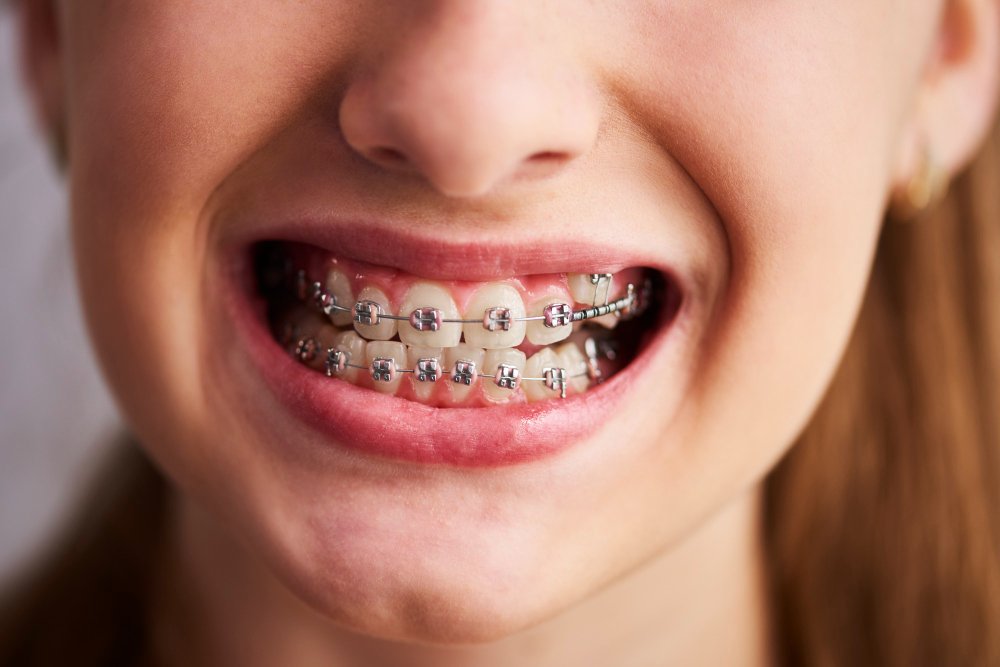
What Are Braces?
Braces are dental devices that help straighten teeth and fix bite problems. Many people use braces to improve their smile and oral health. Usually, an orthodontist, a dentist who specializes in straightening teeth, provides this treatment. Braces for teeth use gentle pressure to move teeth into the right position over time. Today, there are several types of dental braces available to suit different needs and preferences.
Why Do People Need Braces?
Many people need braces to correct dental issues. For example, crooked teeth or crowded teeth can make cleaning hard. Sometimes, teeth may not line up well, causing bite problems. Braces can help fix these issues. Common reasons for braces include:Crooked or crowded teethOverbite or underbiteGaps between teethJaw alignment problems
Fixing these problems can make chewing easier and improve oral health. According to the American Dental Association, early treatment can prevent bigger issues later.
Types of Braces
Today, you can choose from several types of dental braces. Each type has its own benefits. Here are the most common options:Metal Braces: These are the traditional braces made of metal brackets and wires. They are strong and work well for most cases.Ceramic Braces: These braces use clear or tooth-colored brackets. They blend in with your teeth and are less noticeable.Lingual Braces: These braces attach to the back of your teeth. Because of this, they are hidden from view.Clear Aligners: Brands like Invisalign offer clear, removable trays. They are almost invisible and easy to clean.
Your orthodontist can help you choose the best type for your needs.
How Braces Work
Braces work by applying gentle, steady pressure to your teeth. Over time, this pressure moves teeth into the right place. Wires and brackets guide the teeth, while rubber bands may help with jaw alignment. As teeth move, the bone around them changes shape. This process is slow, but it is safe and effective. If you are wondering how do braces work, remember that regular adjustments are key to success.
The Braces Procedure
Getting braces involves several steps. Here is what you can expect:Consultation: First, you meet with an orthodontist. They examine your teeth and may take X-rays or molds.Treatment Plan: Next, the orthodontist explains your options and creates a plan.Fitting: Then, the braces are placed on your teeth. This process usually takes one to two hours.Adjustments: After that, you visit the orthodontist every few weeks. They tighten or adjust the braces to keep teeth moving.
The whole process is safe and usually not painful, though you may feel some pressure.
What to Expect During Treatment
Braces treatment can last from 12 months to 3 years, depending on your needs. At first, you may feel some discomfort as your teeth adjust. However, this usually goes away in a few days. During treatment, you will need to:Visit your orthodontist for regular check-upsFollow braces care tips to keep your mouth healthyAvoid certain foods that can damage your braces
With good care, you can avoid most problems and enjoy a smoother treatment journey.
Caring for Braces
Proper care is important when you have braces. Good oral hygiene helps prevent cavities and gum problems. Here are some braces care tips:Brush your teeth after every mealUse a soft-bristled toothbrush and fluoride toothpasteFloss daily using special flossers or a water flosserAvoid sticky, hard, or chewy foods like gum, popcorn, and nutsWear a mouthguard if you play sports
Following these tips can help you keep your teeth and braces clean and safe.
Benefits of Braces
Braces offer many benefits beyond a straight smile. For instance, they can:Improve oral health by making teeth easier to cleanFix bite problems and make chewing easierBoost confidence and self-esteemPrevent future dental issues
According to the CDC, straight teeth can lower your risk of tooth decay and gum disease.
Risks and Side Effects
While braces are safe, some side effects can occur. You may notice:Soreness or discomfort after adjustmentsMouth sores or irritation from bracketsDifficulty cleaning teeth, leading to plaque buildupRarely, root shortening or gum problems
However, most issues are minor and can be managed with good care. Always tell your orthodontist if you have pain or other concerns.
Cost and Insurance Considerations
The cost of braces depends on the type and length of treatment. Metal braces are usually the most affordable. Clear aligners and lingual braces may cost more. In the United States, braces can range from $3,000 to $7,000. Some dental insurance plans cover part of the cost. It is wise to check with your provider before starting treatment. Many orthodontists offer payment plans to make braces more affordable.
Prevention and Maintenance After Braces
After braces are removed, you will need to wear a retainer. This device keeps your teeth in their new position. Without a retainer, teeth can shift back. Here are some tips for long-term care:Wear your retainer as directedKeep up with regular dental check-upsBrush and floss dailyReport any issues to your orthodontist
Good habits can help you keep your new smile for life.
Conclusion
Braces are a safe and effective way to improve your smile and dental health. With many types of dental braces available, you can find an option that fits your needs. Remember to follow braces care tips and visit your orthodontist regularly. Consult a qualified orthodontist at SLN Smile Space Dental to discuss if braces are right for you.