by whitecoats_slnsmilespace | Apr 29, 2026 | Health
What Are Dentures?
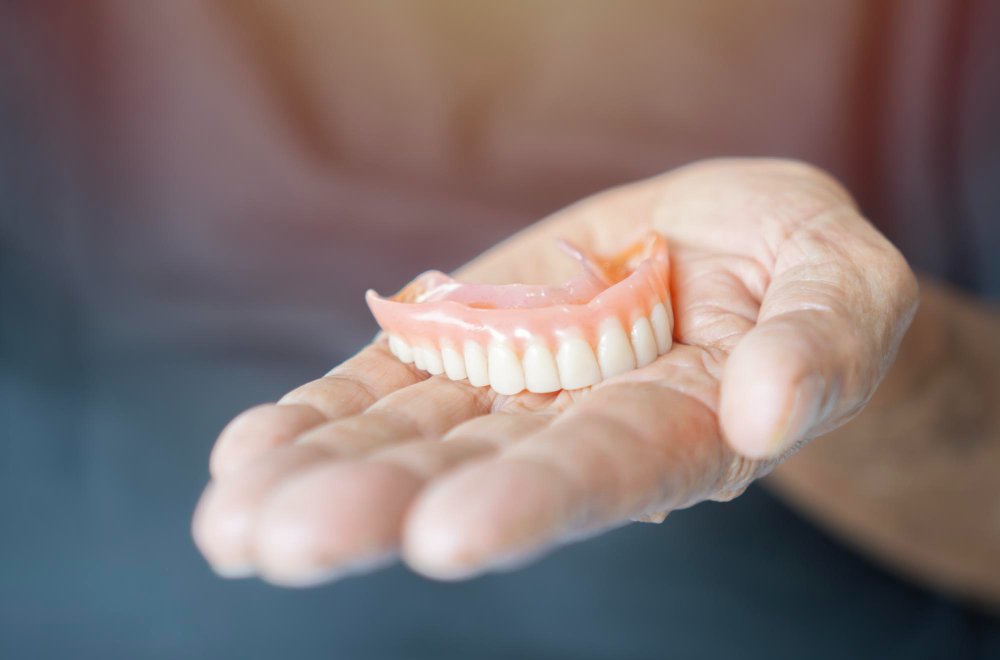
Dentures are removable devices that replace missing teeth. They help you eat, speak, and smile with confidence. Usually, dentists make dentures from plastic or metal. Some people need full dentures, while others need partial ones. Either way, dentures can improve your quality of life. However, they do not last forever. So, how long do dentures last? Let’s find out.
Average Lifespan of Dentures
On average, dentures last between 5 and 10 years. This range depends on many factors. For example, how you care for your dentures matters a lot. According to the American Dental Association (ADA), most people need to replace their dentures after several years. Over time, dentures can wear down or become loose. Because of this, you may need new ones sooner or later. But with good care, you can help your dentures last longer.
Factors Affecting Denture Longevity
Several things can affect how long your dentures last. For instance, the following factors play a big role:Material quality: High-quality materials often last longer.Daily care: Cleaning your dentures every day helps prevent damage.Fit and comfort: Changes in your mouth shape can affect fit.Eating habits: Hard or sticky foods may cause wear and tear.Accidents: Dropping dentures can crack or break them.Regular dental visits: Your dentist can spot problems early.
Because everyone is different, your denture lifespan may vary. Still, proper care makes a big difference.
Signs Your Dentures Need Replacement
Sometimes, it is hard to know when to replace dentures. However, there are clear warning signs. If you notice any of these, it may be time for new dentures:Pain or sores in your mouthLoose or slipping denturesCracks, chips, or broken partsChanges in how your dentures fitDifficulty chewing or speakingBad breath or stains that do not go away
Even if you do not see damage, dentures can wear out over time. Therefore, regular checkups are important.
Tips to Extend the Life of Your Dentures
With good habits, you can help your dentures last longer. Here are some simple tips:Clean your dentures every day with a soft brushSoak them overnight in a denture solutionHandle dentures carefully to avoid dropsRinse dentures after eatingAvoid hard or sticky foodsVisit your dentist for regular checkupsStore dentures in water when not in use
Because small steps add up, these habits can protect your dentures for years.
When to Consult Your Dentist
If you notice any problems with your dentures, see your dentist soon. For example, pain, loose fit, or broken parts need quick attention. Even if you feel fine, regular dental visits are important. Your dentist can check for signs dentures need replacing. In addition, they can adjust or repair your dentures if needed. Early action can prevent bigger problems later.
In summary, dentures usually last 5 to 10 years. However, your habits and dental care can affect this. If you have questions about your denture lifespan or when to replace dentures, consult your dentist at SLN Smile Space Dental for personalized advice on denture care and replacement.
by whitecoats_slnsmilespace | Apr 29, 2026 | Health
Introduction
Dental crowns are a popular way to restore damaged teeth. Many people choose them because they offer strong protection and a natural look. In fact, the benefits of dental crowns include improved chewing, better appearance, and long-lasting results. If you are searching for the advantages of dental crowns or want to know about the dental crown procedure, you are in the right place. This guide will help you understand everything you need to know about dental crowns and how they can help your smile.
What Are Dental Crowns?
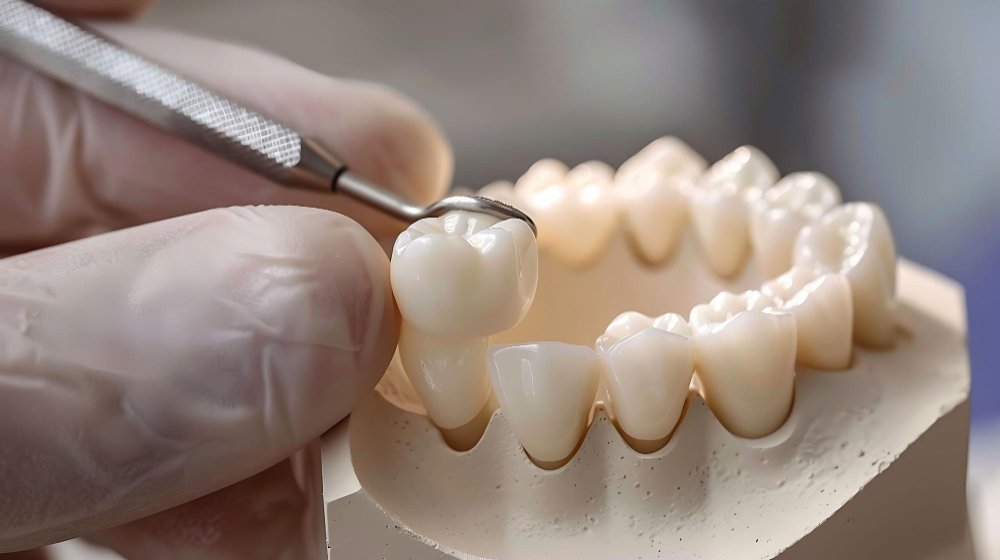
Dental crowns are tooth-shaped covers placed over a tooth. They help restore the tooth’s shape, size, and strength. Often, dentists use crowns when a tooth is cracked, worn down, or weak. Sometimes, crowns are also used after a root canal or to hold a dental bridge in place. Because crowns look like real teeth, they blend in well with your smile.
Key Benefits of Dental Crowns
Dental crowns offer many advantages. Here are some key benefits:Protect Weak Teeth: Crowns shield teeth from breaking or further damage.Restore Function: They help you chew and speak more easily.Improve Appearance: Crowns look natural and can cover discolored or misshapen teeth.Long-Lasting: With good care, crowns can last many years.Comfortable Fit: Dentists shape crowns to fit your mouth, so they feel comfortable.
Additionally, dental crowns can boost your confidence by giving you a healthy-looking smile.
Who Needs Dental Crowns?
Not everyone needs a dental crown. However, your dentist may suggest one if you:Have a tooth with a large fillingNeed to protect a weak or cracked toothWant to restore a broken or worn-down toothHave had a root canal treatmentNeed to support a dental bridgeWish to cover a misshapen or badly stained tooth
For example, if you live in a city with many dental clinics, you can easily find dental crowns in your area. Always ask your dentist if a crown is the best option for your needs.
The Dental Crown Procedure: What to Expect
Getting a dental crown usually takes two visits. First, your dentist will examine your tooth and take X-rays. Next, they will shape the tooth and take an impression. This helps create a crown that fits perfectly. While you wait for the permanent crown, you may get a temporary one. At the second visit, the dentist will place the new crown and check the fit. After that, you can use your tooth as normal. The dental crown procedure is safe and common, according to the American Dental Association.
Caring for Your Dental Crowns
Proper dental crown care helps your crown last longer. Here are some simple tips:Brush your teeth twice a day with a soft toothbrushFloss daily to remove food and plaqueAvoid biting hard foods or objectsVisit your dentist for regular check-upsTell your dentist if your crown feels loose or uncomfortable
With good care, your dental crown can stay strong for many years.
Frequently Asked Questions About Dental Crowns
Do dental crowns hurt? Most people feel little to no pain. Dentists use numbing medicine during the procedure.How long do dental crowns last? With proper care, crowns can last 5 to 15 years or more.Can I eat normally with a crown? Yes, but avoid very hard or sticky foods to protect your crown.Are dental crowns safe? Yes, dental crowns are safe and widely used. Dentists follow strict safety guidelines.
Conclusion
Dental crowns offer many benefits, from protecting teeth to improving your smile. f you think you might need a crown, talk to your dentist at SLN Smile Space Dental. They can help you decide if dental crowns are right for you.
by whitecoats_slnsmilespace | Apr 23, 2026 | Health
Introduction
Dentures are removable devices that replace missing teeth. Many people wonder, “Why are dentures used?” Dentures help people eat, speak, and smile with confidence. In fact, millions of adults use dentures for many reasons. This blog explains the main reasons for dentures, their benefits, and how they improve daily life. You will also learn about denture care and when to see a dentist.
What Are Dentures?
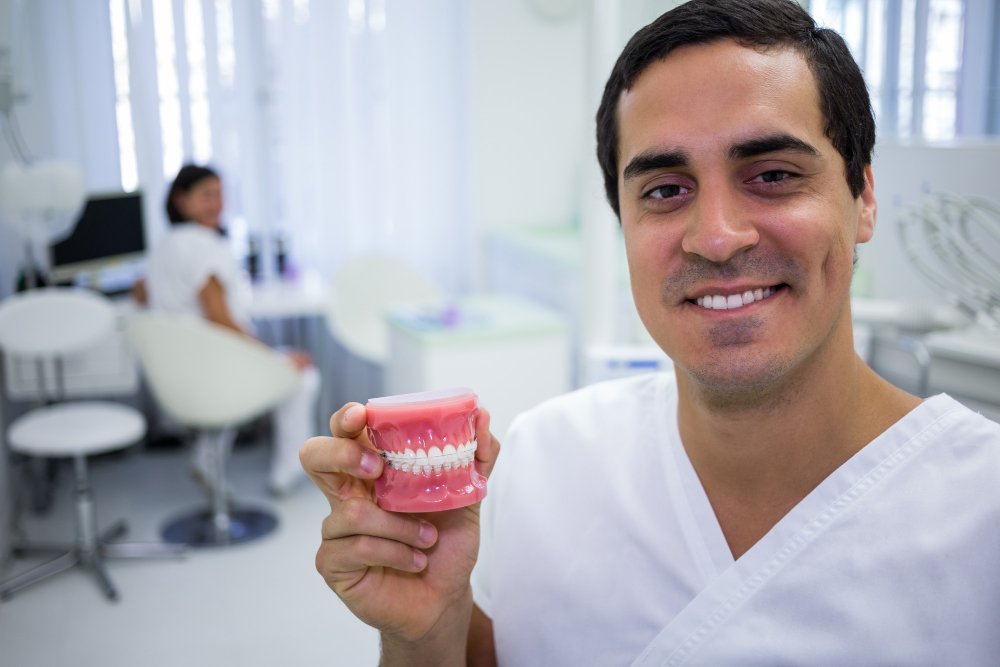
Simply put, dentures are false teeth. They fit over your gums and can replace some or all missing teeth. There are two main types:Full dentures: Replace all teeth in the upper or lower jaw.Partial dentures: Replace just a few missing teeth.
Because dentures are custom-made, they fit your mouth comfortably. Dentists use safe materials to make them look natural. According to the American Dental Association, dentures are a common solution for tooth loss.
Common Reasons for Using Dentures
Many people need dentures for different reasons. For example, some lose teeth due to aging. Others may have accidents or gum disease. Here are the main reasons for dentures:Tooth loss from decay or injuryGum disease causing loose teethBroken or damaged teeth that cannot be fixedDifficulty chewing or speaking due to missing teeth
Because missing teeth can affect your health, dentures are often the best solution.
Who Needs Dentures?
Not everyone needs dentures, but many adults do. Usually, people over 40 are more likely to need them. However, younger people may need dentures after accidents or dental problems. You may need dentures if you:Have lost several teethHave trouble eating or speakingFeel embarrassed about your smileHave loose or shifting teeth
Therefore, if you notice these signs, it is wise to talk to your dentist.
Benefits of Dentures
Dentures offer many benefits. First, they help you chew food better. This means you can enjoy a wider range of foods. Second, dentures improve your speech. Missing teeth can make it hard to say some words. Third, dentures support your facial muscles. As a result, your face looks fuller and younger. Other denture benefits include:Boosting self-confidencePreventing remaining teeth from shiftingEasy to clean and maintain
Because of these benefits, dentures can greatly improve your quality of life.
How Dentures Improve Daily Life
With dentures, daily life becomes easier. For instance, you can eat more foods without pain. You can also speak clearly and smile without worry. Many people feel more confident in social settings. In addition, dentures help prevent jaw problems that can happen when teeth are missing. Overall, dentures help you live a normal, active life.
Myths and Facts About Dentures
There are many myths about dentures. Let’s look at some facts:Myth: Dentures always look fake.Fact: Modern dentures look very natural.Myth: Dentures are only for the elderly.Fact: People of all ages may need dentures.Myth: Dentures are painful.Fact: With a proper fit, dentures are comfortable.Myth: Dentures last forever.Fact: Dentures need replacement every 5–10 years.
Because of these facts, you can feel more confident about choosing dentures if you need them.
Caring for Your Dentures
Proper denture care is important for your health. Here are some simple tips:Clean dentures daily with a soft brushSoak them overnight in a denture solutionRinse dentures before putting them back in your mouthVisit your dentist for regular check-ups
Because good care prevents infections and keeps your dentures in shape, always follow your dentist’s advice.
When to Consult a Dentist About Dentures
If you have missing teeth or trouble chewing, it may be time to see a dentist. Early advice can help you avoid more problems. You should consult a dental specialist if you:Have loose or painful teethNotice changes in your biteFeel embarrassed about your smileHave trouble eating or speaking
Because your dentist can guide you, do not wait to ask for help. The World Health Organization and CDC both recommend regular dental visits for good oral health.
Consult a dental specialist at SLN Smile Space Dental to find out if dentures are right for you.
by whitecoats_slnsmilespace | Apr 23, 2026 | Health
What Is an Implant-Supported Bridge?
An implant-supported bridge is a dental device used to replace missing teeth. Unlike regular bridges, this type uses dental implants for support. These implants are small metal posts placed in your jawbone. They act like tooth roots. Because of this, an implant-supported bridge is stable and long-lasting. Many people choose this option for a natural look and feel. If you have several missing teeth, this solution may help restore your smile.
Common Symptoms or Dental Issues Leading to Its Need
Many people lose teeth due to injury, decay, or gum disease. When you have missing teeth, you might notice these symptoms:Difficulty chewing foodSpeech problemsShifting of nearby teethChanges in your biteGaps in your smile
As a result, these issues can affect your confidence and oral health. If you notice any of these signs, you may need a solution like an implant-supported dental bridge.
Causes and Risk Factors for Tooth Loss
Tooth loss can happen for many reasons. Some common causes include:Untreated tooth decayGum disease (also called periodontitis)Injury or trauma to the mouthGenetic factorsPoor oral hygiene
Additionally, smoking and certain health conditions, like diabetes, can increase your risk. According to the World Health Organization, gum disease is a leading cause of tooth loss worldwide.
Diagnosis and Evaluation Process
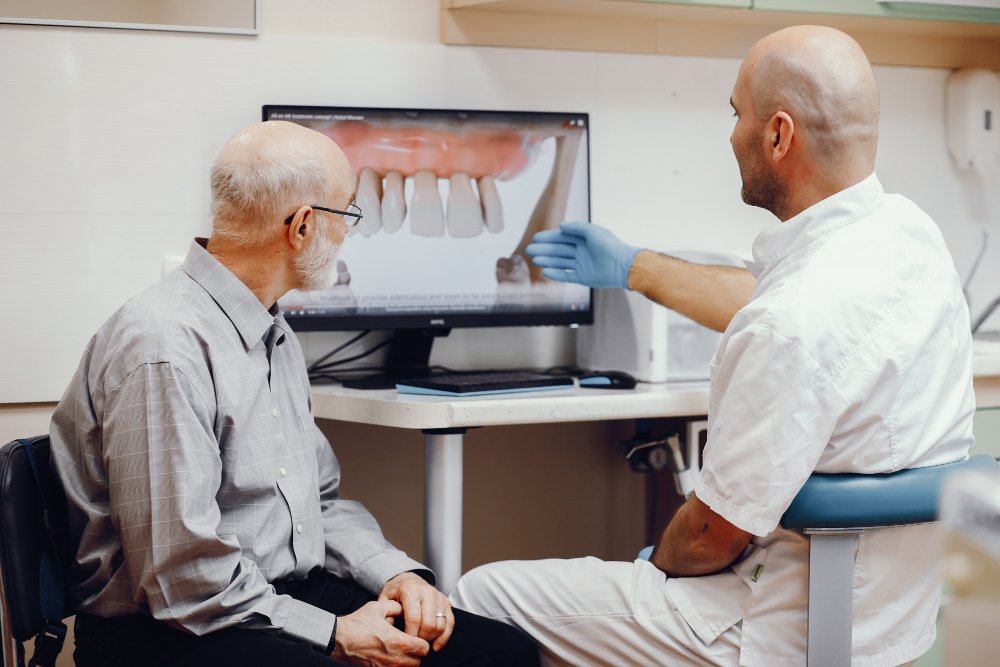
First, your dentist will check your mouth and teeth. They may take X-rays to see your jawbone and remaining teeth. Next, your dentist will ask about your health history. This helps them decide if you are a good candidate for dental implants for missing teeth. Sometimes, a CT scan is needed to get a detailed view. After this, your dentist will discuss your options and answer your questions.
Step-by-Step Treatment and Procedure Overview
Getting an implant-supported bridge involves several steps. Here is a simple overview:Consultation: Your dentist checks your mouth and plans the treatment.Implant Placement: Small metal posts are placed in your jawbone. Healing takes a few months.Abutment Placement: Connectors are attached to the implants after healing.Bridge Placement: The custom bridge is attached to the abutments.Follow-Up: Your dentist checks the fit and your healing progress.
Each step is important for a strong and lasting result. Your dentist will guide you through the process.
Benefits and Potential Risks
There are many benefits to choosing an implant-supported bridge. For example, it:Looks and feels like natural teethRestores chewing and speechPrevents bone loss in the jawDoes not harm nearby healthy teethLasts many years with good care
However, there are some risks to consider. These may include:Infection at the implant siteImplant failure (rare, but possible)Gum or nerve injuryLonger healing time compared to regular bridges
Most people have a safe and successful experience. Still, your dentist will discuss all risks before starting treatment.
Aftercare and Maintenance Tips
Proper care is key for your implant-supported dental bridge. Here are some tips:Brush your teeth twice dailyUse floss or special cleaning tools for implantsVisit your dentist for regular check-upsAvoid chewing hard foods or iceFollow your dentist’s instructions closely
With good care, your bridge can last for many years. If you notice pain or swelling, contact your dentist right away.
Prevention of Further Tooth Loss
Preventing more tooth loss is important for your oral health. To help protect your teeth:Brush and floss every dayEat a balanced dietLimit sugary snacks and drinksDo not smoke or use tobaccoSee your dentist for regular cleanings
Because early care makes a big difference, take action as soon as you notice any dental problems.
Conclusion
In summary, an implant-supported bridge can restore your smile and improve your oral health. It is a strong, lasting solution for missing teeth. If you think this treatment may help you, consult a dental specialist at SLN Smile Space Dental to see if an implant-supported bridge is right for you.
by whitecoats_slnsmilespace | Apr 13, 2026 | Health
What Is Fluoride Therapy?
Fluoride therapy is a dental treatment that helps protect your teeth from cavities. Dentists use fluoride, a natural mineral, to make your teeth stronger. In fact, fluoride therapy for teeth is common in dental offices and is safe when used correctly. Many people get some fluoride from water and toothpaste. However, professional fluoride treatment gives a higher dose for extra protection.
Benefits of Fluoride Therapy
Fluoride therapy offers many benefits for your oral health. For example, it can:Strengthen tooth enamel, making it harder for cavities to formHelp repair early signs of tooth decayReduce the risk of cavities in both children and adultsProtect teeth if you have braces or dry mouth
Because fluoride works by fighting bacteria and rebuilding enamel, it keeps your teeth healthy for longer.
Who Should Consider Fluoride Therapy?
Anyone can benefit from fluoride therapy, but some people need it more. For instance, you may need professional fluoride treatment if you:Have a history of frequent cavitiesWear braces or other dental devicesHave dry mouth due to medicines or health conditionsAre a child or teen with growing teethHave gum disease or exposed tooth roots
Even if you brush and floss daily, fluoride therapy can give your teeth extra protection.
How Fluoride Therapy Is Performed
Fluoride therapy is quick and easy. Usually, your dentist will:Clean your teeth to remove plaque and foodApply a fluoride gel, foam, or varnish to your teethAsk you to wait a few minutes before rinsing or eating
Sometimes, you may get a fluoride rinse to swish in your mouth. After the treatment, you should avoid eating or drinking for at least 30 minutes. This helps the fluoride soak into your teeth.
Safety and Possible Side Effects
Many people ask, “Is fluoride therapy safe?” According to the CDC and WHO, fluoride therapy is safe when used as directed. Dentists use the right amount for your age and needs. However, too much fluoride can cause mild white spots on teeth, called fluorosis, especially in young children. Rarely, swallowing large amounts can cause stomach upset. For this reason, always follow your dentist’s advice and keep fluoride products away from small children.
Myths and Facts About Fluoride Therapy
There are many myths about fluoride therapy. Let’s look at the facts:Myth: Fluoride is dangerous for everyone.Fact: Fluoride is safe when used properly by dental professionals.Myth: Only children need fluoride therapy.Fact: Adults can also benefit, especially if they have a high risk of cavities.Myth: Fluoride therapy can replace brushing and flossing.Fact: You still need to brush and floss daily for best results.
Because of these facts, fluoride therapy remains a trusted part of dental care worldwide.
Prevention Tips and Oral Health Guidance
Besides fluoride therapy, you can keep your teeth healthy by following these tips:Brush your teeth twice a day with fluoride toothpasteFloss daily to remove food and plaqueLimit sugary snacks and drinksVisit your dentist regularly for check-ups and cleaningsDrink tap water if it contains fluoride
In addition, ask your dentist if you or your child need extra fluoride treatments.
Conclusion
In summary, fluoride therapy is a safe and effective way to protect your teeth from cavities. It works for both children and adults. If you want to keep your smile healthy, consider this simple treatment. Consult your dentist at SLN Smile Space Dental to learn if fluoride therapy is right for you.
by whitecoats_slnsmilespace | Apr 13, 2026 | Health
What is Anterior Aesthetic Restoration?
Anterior aesthetic restoration is a dental procedure that improves the look and function of your front teeth. Dentists use this treatment to fix chips, cracks, stains, or gaps. Because your front teeth are most visible, this type of restoration can boost your confidence. In fact, many people choose anterior aesthetic restoration as part of a smile makeover. Dentists use safe dental restoration methods to make your teeth look natural and healthy.
Common Reasons for Anterior Aesthetic Restoration
There are several reasons why someone might need front teeth restoration. Often, people seek this treatment to fix:Chipped or broken front teethStained or discolored teeth that do not respond to whiteningGaps between teethWorn down or uneven teethOld fillings that look unnatural
Additionally, some people want to improve their smile for special occasions or personal reasons.
Symptoms or Signs You Might Need This Procedure
Sometimes, you may notice signs that suggest you need anterior aesthetic restoration. For example, you might see:Visible cracks or chips in your front teethStains that do not go away with regular cleaningSpaces or gaps that make you feel self-consciousRough or uneven edges on your teeth
Moreover, if you feel unhappy with your smile, it could be time to talk to a dentist about cosmetic dental procedures.
Diagnosis: How Dentists Assess the Need
First, your dentist will examine your teeth and gums. They may take X-rays to check the health of your teeth. Next, your dentist will ask about your dental history and your goals for your smile. Sometimes, they use photos or digital scans to plan the best treatment. This careful assessment helps ensure a safe dental restoration that meets your needs.
Treatment Options and Procedures
There are several ways to restore your front teeth. Your dentist will recommend the best option for you. Common procedures include:Dental bonding: A tooth-colored resin repairs chips and cracks.Veneers: Thin shells cover the front of your teeth for a natural look.Crowns: Caps protect and strengthen damaged teeth.Teeth whitening: Removes deep stains for a brighter smile.Composite fillings: Blend in with your natural teeth.
Each procedure is designed to be safe and effective. Your dentist will explain what to expect during and after treatment.
Benefits and Risks
There are many benefits to anterior aesthetic restoration. For instance, you can enjoy:A more attractive and confident smileImproved tooth functionNatural-looking resultsBetter oral health
However, as with any dental procedure, there are some risks. These may include:Tooth sensitivityChipping or wear over timeAllergic reactions to materials (rare)
Still, most people experience few problems when they follow their dentist’s advice.
Aftercare and Maintenance Tips
Proper care helps your restoration last longer. For best results, you should:Brush your teeth twice a day with a soft brushFloss daily to remove food and plaqueAvoid biting hard objects like ice or pensVisit your dentist regularly for check-upsFollow any special instructions from your dentist
With good care, your smile makeover can stay beautiful for many years.
Prevention and Oral Hygiene Guidance
Even after a safe dental restoration, it is important to protect your teeth. To prevent future problems, you should:Limit sugary foods and drinksWear a mouthguard if you play sportsDo not use your teeth to open packagesSchedule regular dental cleanings
By keeping up with daily oral hygiene, you can reduce the need for more cosmetic dental procedures in the future.
In summary, anterior aesthetic restoration offers a safe and effective way to improve your smile. If you notice any issues with your front teeth, do not wait. Consult a qualified dentist at SLN Smile Space Dental for personalized advice on anterior aesthetic restoration.