
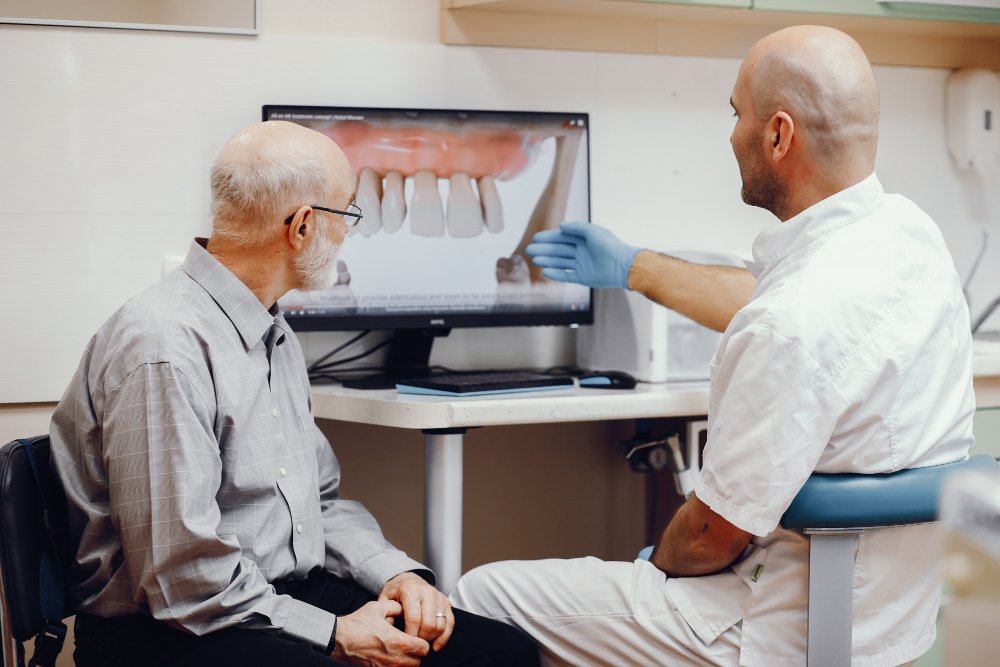
What Is an Implant-Supported Bridge?
An implant-supported bridge is a dental device used to replace missing teeth. Unlike regular bridges, this type uses dental implants for support. These implants are small metal posts placed in your jawbone. They act like tooth roots. Because of this, an implant-supported bridge is stable and long-lasting. Many people choose this option for a natural look and feel. If you have several missing teeth, this solution may help restore your smile.
Common Symptoms or Dental Issues Leading to Its Need
Many people lose teeth due to injury, decay, or gum disease. When you have missing teeth, you might notice these symptoms:Difficulty chewing foodSpeech problemsShifting of nearby teethChanges in your biteGaps in your smile
As a result, these issues can affect your confidence and oral health. If you notice any of these signs, you may need a solution like an implant-supported dental bridge.
Causes and Risk Factors for Tooth Loss
Tooth loss can happen for many reasons. Some common causes include:Untreated tooth decayGum disease (also called periodontitis)Injury or trauma to the mouthGenetic factorsPoor oral hygiene
Additionally, smoking and certain health conditions, like diabetes, can increase your risk. According to the World Health Organization, gum disease is a leading cause of tooth loss worldwide.
Diagnosis and Evaluation Process
First, your dentist will check your mouth and teeth. They may take X-rays to see your jawbone and remaining teeth. Next, your dentist will ask about your health history. This helps them decide if you are a good candidate for dental implants for missing teeth. Sometimes, a CT scan is needed to get a detailed view. After this, your dentist will discuss your options and answer your questions.
Step-by-Step Treatment and Procedure Overview
Getting an implant-supported bridge involves several steps. Here is a simple overview:Consultation: Your dentist checks your mouth and plans the treatment.Implant Placement: Small metal posts are placed in your jawbone. Healing takes a few months.Abutment Placement: Connectors are attached to the implants after healing.Bridge Placement: The custom bridge is attached to the abutments.Follow-Up: Your dentist checks the fit and your healing progress.
Each step is important for a strong and lasting result. Your dentist will guide you through the process.
Benefits and Potential Risks
There are many benefits to choosing an implant-supported bridge. For example, it:Looks and feels like natural teethRestores chewing and speechPrevents bone loss in the jawDoes not harm nearby healthy teethLasts many years with good care
However, there are some risks to consider. These may include:Infection at the implant siteImplant failure (rare, but possible)Gum or nerve injuryLonger healing time compared to regular bridges
Most people have a safe and successful experience. Still, your dentist will discuss all risks before starting treatment.
Aftercare and Maintenance Tips
Proper care is key for your implant-supported dental bridge. Here are some tips:Brush your teeth twice dailyUse floss or special cleaning tools for implantsVisit your dentist for regular check-upsAvoid chewing hard foods or iceFollow your dentist’s instructions closely
With good care, your bridge can last for many years. If you notice pain or swelling, contact your dentist right away.
Prevention of Further Tooth Loss
Preventing more tooth loss is important for your oral health. To help protect your teeth:Brush and floss every dayEat a balanced dietLimit sugary snacks and drinksDo not smoke or use tobaccoSee your dentist for regular cleanings
Because early care makes a big difference, take action as soon as you notice any dental problems.
Conclusion
In summary, an implant-supported bridge can restore your smile and improve your oral health. It is a strong, lasting solution for missing teeth. If you think this treatment may help you, consult a dental specialist at SLN Smile Space Dental to see if an implant-supported bridge is right for you.