by whitecoats_slnsmilespace | Apr 13, 2026 | Health
Introduction
A root canal is a dental treatment that saves a tooth when it is badly infected or damaged. Often, people need a root canal because of a tooth infection that causes pain or swelling. If you have dental pain or notice changes in your teeth, you may wonder if a root canal is needed. In this blog, we will explain what a root canal is, the common symptoms of tooth infection, and why these infections happen. We will also share tips to help you prevent tooth infections and avoid dental pain.
What Is a Root Canal?
A root canal is a procedure that removes infected or damaged tissue from inside your tooth. This tissue is called the pulp. The pulp contains nerves and blood vessels. When it gets infected, it can cause severe pain. During a root canal, your dentist cleans out the infection and seals the tooth. This helps save your natural tooth and stops the pain. According to the American Dental Association, root canals are safe and help prevent tooth loss.
Common Symptoms of Tooth Infection
Tooth infections can cause many symptoms. Sometimes, these signs are mild at first. However, they can get worse if not treated. Watch for these common symptoms:Severe toothache or pain when chewingSwelling in your gums or faceSensitivity to hot or cold foods and drinksDarkening or discoloration of the toothPus or a bad taste in your mouthFever or feeling unwell
If you notice any of these symptoms, it is important to see a dentist soon. Early treatment can prevent the infection from spreading.
Main Causes of Tooth Infection
Tooth infections happen when bacteria enter the tooth. There are several reasons why this can occur. For example, tooth decay is a leading cause. Here are the main causes:Untreated cavities or tooth decayCracked or broken teethDeep fillings or dental workGum disease (infection of the gums)Injury to the tooth
Because bacteria can enter through small openings, even a tiny crack can lead to infection. Good dental care helps lower your risk.
When Is a Root Canal Needed?
Sometimes, a filling or other dental treatment is enough to fix a problem. However, a root canal is needed when the pulp inside the tooth is infected or badly damaged. You may need a root canal if:You have constant or severe tooth painYour tooth is sensitive to heat or cold for a long timeYour gums are swollen or tender near a toothYou notice a pimple-like bump on your gumsYour tooth feels loose
In many cases, your dentist will take an X-ray to check for infection. If the infection is deep, a root canal can save your tooth and stop the pain.
Prevention Tips for Tooth Infections
Although tooth infections can be serious, you can take steps to prevent them. Here are some simple tips:Brush your teeth twice a day with fluoride toothpasteFloss daily to remove food and plaqueVisit your dentist for regular check-ups and cleaningsAvoid sugary foods and drinksWear a mouthguard if you play sportsDo not ignore dental pain or swelling
By following these steps, you can reduce your risk of dental pain and infection. Early care helps keep your teeth healthy and strong.
Conclusion
To sum up, a root canal is a common dental treatment that helps save infected teeth. Tooth infections can cause pain, swelling, and other problems. However, knowing the symptoms and causes can help you act quickly. If you notice any signs of tooth infection, consult a dentist promptly at SLN Smile Space Dental for personalized care.
by whitecoats_slnsmilespace | Mar 31, 2026 | Health
What Are Dentures?
Dentures are removable devices that replace missing teeth. They help people eat, speak, and smile with confidence. Many people choose dentures when they lose teeth due to age, injury, or disease. Dentures can restore your smile and improve your oral health. According to the World Health Organization, tooth loss is common, but dentures offer a simple solution.
Types of Dentures
There are several types of dentures. Each type serves a different need. Here are the main options:Full Dentures: These replace all teeth in the upper or lower jaw. They rest on the gums and are easy to remove.Partial Dentures: These fill gaps when some natural teeth remain. They attach to nearby teeth for support.Implant-Supported Dentures: These use dental implants for a secure fit. They feel more stable and natural.
Each type has its own benefits. Your dentist will help you choose the best option for your needs.
Who Needs Dentures?
Many people may need dentures at some point. Common reasons include:Tooth loss from gum disease or decayInjury or trauma to the mouthAge-related tooth lossDifficulty eating or speaking due to missing teeth
Sometimes, people choose dentures to improve their appearance. If you have trouble chewing or notice changes in your smile, dentures may help.
Benefits of Dentures
Dentures offer many advantages. For example, they can:Restore your smile and boost your confidenceHelp you chew food more easilyImprove your speechSupport facial muscles and prevent sagging
Additionally, dentures are custom-made to fit your mouth. This means they look natural and feel comfortable.
How Dentures Are Fitted
The process of getting dentures involves several steps. First, your dentist will examine your mouth and take measurements. Next, they may take impressions of your gums and any remaining teeth. Then, a dental lab creates your custom dentures. You will try them on, and your dentist will make adjustments for a good fit. The whole process may take a few weeks. However, your dentist will guide you at every step.
Caring for Dentures
Proper care keeps your dentures clean and your mouth healthy. Here are some daily tips:Rinse dentures after eating to remove food particlesBrush dentures daily with a soft brush and mild soapSoak dentures overnight in a denture solutionClean your gums and tongue with a soft brushVisit your dentist regularly for check-ups
With good care, dentures can last for many years.
Common Challenges and Solutions
Some people face challenges with new dentures. For instance, you may notice:Soreness or discomfort at firstDifficulty speaking clearlyLoose fit or slipping
But these problems often improve with time. To help, try these solutions:Practice speaking slowly and clearlyUse denture adhesive for extra holdSee your dentist for adjustments if needed
Remember, your mouth may need time to adjust. If problems continue, always contact your dentist.
Prevention and Oral Health Tips for Denture Users
Even with dentures, good oral care is important. To keep your mouth healthy:Clean your dentures and mouth every dayEat a balanced diet for strong gumsAvoid sticky or hard foods that may damage denturesDo not sleep with dentures unless your dentist says it is okaySchedule regular dental visits for check-ups
By following these tips, you can enjoy a healthy smile for years.
Conclusion
Dentures can improve your quality of life by restoring your smile and helping you eat and speak with ease. If you think dentures may be right for you, consult a dental specialist at SLN Smile Space Dental for personalized advice on dentures.
by whitecoats_slnsmilespace | Mar 31, 2026 | Health
Introduction to Fixed Partial Dentures (FPD)
Many people lose teeth due to injury, decay, or gum disease. Fixed partial dentures, also called dental bridges, can help fill these gaps. In this guide, you will learn what fixed partial dentures are, how they work, and what to expect from the FPD procedure. If you are thinking about dental bridge options, this guide is for you.
What is an FPD?
An FPD, or fixed partial denture, is a dental device that replaces missing teeth. Unlike removable dentures, an FPD stays in place. Dentists attach it to the teeth next to the gap. As a result, you get a natural look and better chewing ability. FPDs are also known as dental bridges because they bridge the space left by lost teeth.
Common Symptoms and Dental Issues Leading to FPD
People may need fixed partial dentures for several reasons. Some common signs and issues include:Missing one or more teethDifficulty chewing foodSpeech problems due to gapsShifting of nearby teethChanges in your bite or jaw pain
When you notice these symptoms, it is wise to visit a dentist. Early care can prevent more problems.
Causes and Risk Factors for Tooth Loss Requiring FPD
Tooth loss can happen for many reasons. The most common causes include:Tooth decay (cavities)Gum disease (periodontal disease)Injury or trauma to the mouthGenetic factorsPoor oral hygiene
Additionally, smoking and certain health conditions, like diabetes, can increase your risk. Regular dental check-ups help catch problems early.
Diagnosis: How Dentists Determine the Need for FPD
First, your dentist will examine your mouth. They may take X-rays to check the health of your teeth and gums. Next, they will look at the gap and the teeth on either side. If these teeth are strong, you may be a good candidate for an FPD. Sometimes, dentists use special tests to make sure your jawbone is healthy. After this, they will discuss the best dental bridge options for you.
Treatment Process: Steps Involved in Getting an FPD
Getting fixed partial dentures usually involves several steps:First, the dentist prepares the teeth next to the gap.Then, they take impressions (molds) of your mouth.Next, a dental lab makes your custom FPD.Meanwhile, you may get a temporary bridge.Finally, the dentist fits and cements the FPD in place.
The whole FPD procedure may take a few weeks. Your dentist will guide you through each step.
Benefits and Potential Risks of FPD
Fixed partial dentures offer many benefits:Restore your smile and confidenceImprove chewing and speechPrevent nearby teeth from shiftingLook and feel natural
However, there are some risks to consider:Possible tooth sensitivityRisk of decay under the bridgeGum irritation if not cleaned wellRarely, the bridge may become loose
With good care, most people enjoy their FPD for many years.
Care and Maintenance Tips for FPD
Proper care helps your fixed partial dentures last longer. Here are some tips:Brush twice a day with a soft toothbrushUse floss or special cleaning aids under the bridgeVisit your dentist for regular check-upsAvoid very hard or sticky foodsFollow your dentist’s advice for cleaning
Good oral hygiene keeps your FPD and natural teeth healthy.
Prevention: How to Avoid Tooth Loss and Need for FPD
While FPD dental treatment is helpful, it is best to prevent tooth loss. You can lower your risk by:Brushing and flossing dailyEating a balanced dietLimiting sugary snacks and drinksWearing a mouthguard during sportsNot smoking or using tobaccoSeeing your dentist twice a year
Prevention is always better than cure. Healthy habits protect your teeth for life.
Frequently Asked Questions About FPD
How long do fixed partial dentures last? With good care, they can last 5–15 years or more.Is the FPD procedure painful? Dentists use local anesthesia, so you should not feel pain during the process.Can I eat normally with an FPD? Yes, but avoid very hard or sticky foods to protect your bridge.How do I clean under my dental bridge? Use floss threaders or special brushes as your dentist recommends.Are there other dental bridge options? Yes, your dentist can discuss which type suits you best.
Conclusion
Fixed partial dentures are a safe and effective way to replace missing teeth. They restore your smile and help you eat and speak with ease. If you think you may need an FPD, consult a dental specialist at SLN Smile Space Dental for personalized advice on fixed partial dentures. Your dentist can help you choose the best option for your needs.
by whitecoats_slnsmilespace | Mar 31, 2026 | Health
Introduction to Dental Implants
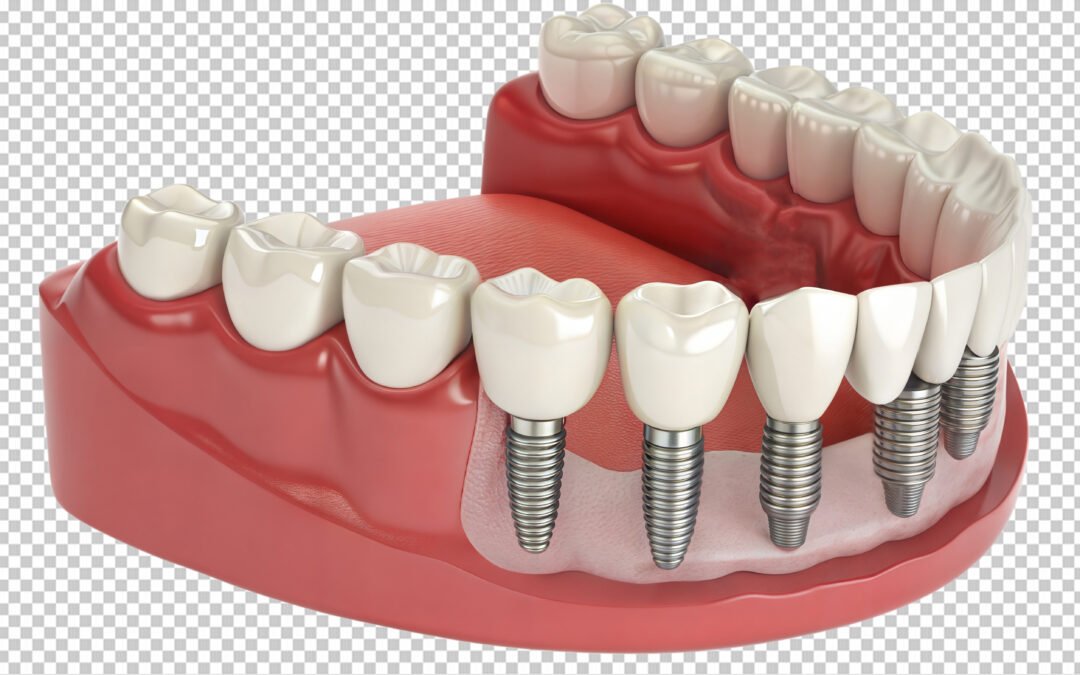
Dental implants are a popular way to replace missing teeth. They look and feel like natural teeth. In fact, dental implants are small metal posts placed in your jawbone. Over time, they fuse with the bone and support a new tooth. Because they are strong and stable, many people choose dental implants for a lasting solution. According to the American Dental Association, dental implants are safe and effective for most adults.
Benefits of Dental Implants
Dental implants offer many advantages over other tooth replacement options. For example, they:Look and feel like your own teethAllow you to eat and speak with confidenceHelp keep your jawbone healthyDo not slip or move like denturesLast many years with proper care
Additionally, dental implants can improve your smile and boost your self-esteem. Unlike bridges, they do not require grinding down nearby teeth.
Who Is a Candidate for Dental Implants?
Not everyone is a good fit for dental implants. However, most healthy adults can get them. You may be a candidate if you:Have one or more missing teethHave healthy gumsHave enough bone to hold the implantDo not smoke or are willing to quitAre in good general health
Still, your dentist will check your mouth and health history before starting the implant procedure. Sometimes, people may need extra bone grafting if their jawbone is too thin.
The Dental Implant Procedure: Step-by-Step
Getting dental implants usually takes several steps. Here is a simple overview:Consultation: First, your dentist checks your mouth and takes X-rays.Implant Placement: Next, the dentist places the metal post into your jawbone. This is done with local anesthesia.Healing: Then, your jawbone heals and grows around the implant. This can take a few months.Abutment Placement: After healing, a small connector (abutment) is attached to the implant.Crown Placement: Finally, a custom-made tooth (crown) is placed on top.
Because each person is different, your dentist will explain your exact treatment plan. The whole process may take several months, but the results last a long time.
Aftercare and Recovery Tips
Proper dental implant aftercare is important for healing. Here are some tips to help you recover:Follow your dentist’s instructions closelyKeep the area clean by brushing gentlyUse a soft toothbrush and avoid hard foodsRinse with salt water if advisedTake pain medicine as prescribedAvoid smoking and alcohol during healing
Most people can return to normal activities within a few days. However, full healing may take a few months.
Potential Risks and Complications
Dental implants are safe for most people. Still, like any surgery, there are some risks. These may include:Infection at the implant siteInjury to nearby teeth or nervesSinus problems (for upper jaw implants)Implant not fusing with the bone
However, these problems are rare. Choosing a skilled dentist lowers your risk. According to the CDC, most dental implant procedures are successful.
Prevention of Implant Failure and Maintenance Tips
To keep your dental implants healthy, you should:Brush and floss dailyVisit your dentist for regular check-upsAvoid chewing hard items like ice or hard candyStop smoking, as it can slow healingWear a mouthguard if you grind your teeth
With good care, dental implants can last many years. In fact, some last a lifetime.
Frequently Asked Questions About Dental Implants
Are dental implants painful? Most people feel little pain. Dentists use local anesthesia to keep you comfortable.How long do dental implants last? With proper care, they can last 10 years or more.Can anyone get dental implants? Most adults can, but your dentist will check your health first.How do I care for my dental implants? Brush, floss, and see your dentist regularly.Are dental implants expensive? They can cost more than other options, but they last longer.
Conclusion
Dental implants are a strong and natural-looking way to replace missing teeth. They offer many benefits and can last for years with good care. If you are thinking about dental implants, consult a qualified dentist at SLN Smile Space Dental for personalized advice on dental implants.
by whitecoats_slnsmilespace | Mar 11, 2026 | Health
What is Smile Designing?
Smile designing is a set of cosmetic dental procedures that improve your smile. Dentists use modern techniques to change the look of your teeth and gums. As a result, you can achieve a brighter, more even smile. Smile designing focuses on dental aesthetics, which means making your teeth look their best. Many people choose this treatment to boost their confidence and feel happier about their appearance.
Who Can Benefit from Smile Designing?
Almost anyone who wants to improve their smile can benefit from smile designing. For example, you may consider it if you have:Chipped or broken teethStained or discolored teethGaps between teethCrooked or uneven teethGummy smile (too much gum showing)
In addition, people who want a more youthful look often choose smile designing. Even if you have healthy teeth, you can still benefit from cosmetic dental procedures.
Common Procedures in Smile Designing
Smile designing includes several dental treatments. Each one targets a different aspect of your smile. Some of the most common procedures are:Teeth whitening: Brightens stained or yellow teethDental veneers: Thin covers placed on the front of teeth to improve shape and colorDental bonding: Tooth-colored material used to fix chips or gapsOrthodontics: Braces or clear aligners to straighten teethGum contouring: Reshapes the gum line for a balanced look
Sometimes, your dentist may suggest a mix of these treatments for the best results.
Benefits of Smile Designing
Smile designing offers many advantages. First, it can boost your self-esteem. When you like your smile, you may feel more confident in social and work settings. Second, these treatments can improve your oral health. For example, straight teeth are easier to clean, which lowers your risk of cavities. Third, modern dentistry makes these procedures safe and comfortable. Most people see quick results with little discomfort.
What to Expect During the Smile Designing Process
At the start, your dentist will examine your teeth and gums. Next, you will discuss your goals and concerns. Then, the dentist may take photos or digital scans of your mouth. After that, you will receive a custom treatment plan. Some procedures, like teeth whitening, may take only one visit. Others, such as braces, need several months. Throughout the process, your dentist will explain each step and answer your questions.
Aftercare and Maintenance Tips
After your smile designing treatment, you should follow your dentist’s advice to keep your smile looking great. Here are some simple tips:Brush your teeth twice a day with fluoride toothpasteFloss daily to remove food and plaqueAvoid foods and drinks that stain teeth, like coffee and red wineVisit your dentist for regular check-ups and cleaningsWear a mouthguard if you grind your teeth at night
With good care, the results of smile designing can last for many years.
Frequently Asked Questions about Smile Designing
Is smile designing painful? Most procedures are gentle and cause little discomfort. Your dentist may use local anesthesia if needed.How long do the results last? With proper care, results can last several years. Some treatments, like veneers, may last even longer.Is smile designing safe? Yes, when performed by a qualified dentist, these procedures are safe. The American Dental Association supports many cosmetic dental treatments.Can anyone get smile designing? Most people are good candidates. However, your dentist will check your oral health before starting.
When to Consult a Dentist
If you are unhappy with your smile, it may be time to talk to a dentist. Early consultation helps you understand your options and set realistic goals. In addition, your dentist can check for any dental problems before starting cosmetic treatments. Remember, a healthy mouth is the first step to a beautiful smile.
Consult a qualified dentist at SLN Smile Space Dental to explore your smile designing options.
by whitecoats_slnsmilespace | Feb 28, 2026 | Health
What Are Invisible Aligners?
Invisible aligners are clear, plastic trays that help straighten teeth. Unlike metal braces, they are almost invisible when worn. Many people call them clear aligners or invisible braces. Because they are removable, you can take them out while eating or brushing. This makes them a popular teeth straightening option for adults and teens. According to the American Dental Association, invisible aligners are safe and effective for many people.
How Do Invisible Aligners Work?
Invisible aligners work by gently moving your teeth into the right position. First, your dentist takes a digital scan or mold of your teeth. Next, a series of custom-made aligner trays are created. Each tray is worn for about two weeks. Then, you switch to the next tray in the series. Over time, your teeth shift little by little. Because the trays are clear, most people will not notice you are wearing them.
Benefits of Invisible Aligners
There are many reasons people choose invisible aligners over traditional braces. For example, they are:Nearly invisible: Most people will not see them.Removable: You can take them out to eat, drink, or brush.Comfortable: No metal wires or brackets to irritate your mouth.Easy to clean: You can brush and floss as usual.Fewer dental visits: You may need fewer check-ups than with braces.
Additionally, invisible aligners can boost your confidence during treatment. Many people feel better about their smile even before treatment is finished.
Who Can Use Invisible Aligners?
Invisible aligners are a good choice for many people. However, they work best for mild to moderate teeth crowding or spacing. Teens and adults often use them. But, children with baby teeth are usually not good candidates. Your dentist will check if invisible aligners are right for you. Sometimes, severe bite problems may need other treatments.
The Treatment Process Step-by-Step
Here is what you can expect during invisible aligner treatment:Consultation: Visit your dentist to discuss your goals.Impressions or Scans: The dentist takes a digital scan or mold of your teeth.Custom Plan: A treatment plan is created just for you.Aligner Fitting: You receive your first set of clear aligners.Wearing Aligners: Wear each tray for 20-22 hours a day, changing trays every 1-2 weeks.Check-ups: Visit your dentist every few weeks to check progress.Completion: After finishing all trays, you may need a retainer to keep teeth in place.
Each step is important for a healthy and straight smile.
Care and Maintenance Tips
To keep your invisible aligners clean and effective, follow these tips:Always remove aligners before eating or drinking anything except water.Brush your teeth before putting aligners back in.Clean aligners daily with a soft toothbrush and mild soap.Avoid using hot water, as it can warp the plastic.Store aligners in their case when not in use.Do not use toothpaste on aligners, as it may scratch them.
Because good care helps prevent stains and odors, your aligners will stay clear and fresh.
Potential Risks and Limitations
While invisible aligners are safe, there are some risks and limits. For instance, you may feel mild discomfort when switching trays. Some people may notice a slight lisp at first. Also, aligners may not fix severe bite problems. If you do not wear them as directed, treatment may take longer. According to dental experts, following your dentist’s advice reduces these risks.
Frequently Asked Questions
Are invisible aligners painful? Most people feel only mild pressure for a few days with each new tray.How long does treatment take? On average, treatment lasts 6 to 18 months, depending on your needs.Can I eat with aligners in? No, you should remove them before eating or drinking anything except water.How often should I clean my aligners? Clean them at least once a day, and rinse after meals.Will people notice I am wearing them? Because they are clear, most people will not notice.
Conclusion and Next Steps
Invisible aligners offer a modern, comfortable way to straighten teeth. They are nearly invisible, easy to use, and fit many lifestyles. However, they may not be right for everyone. Therefore, consult a qualified dentist at SLN Smile Space Dental to find out if invisible aligners are right for you.