
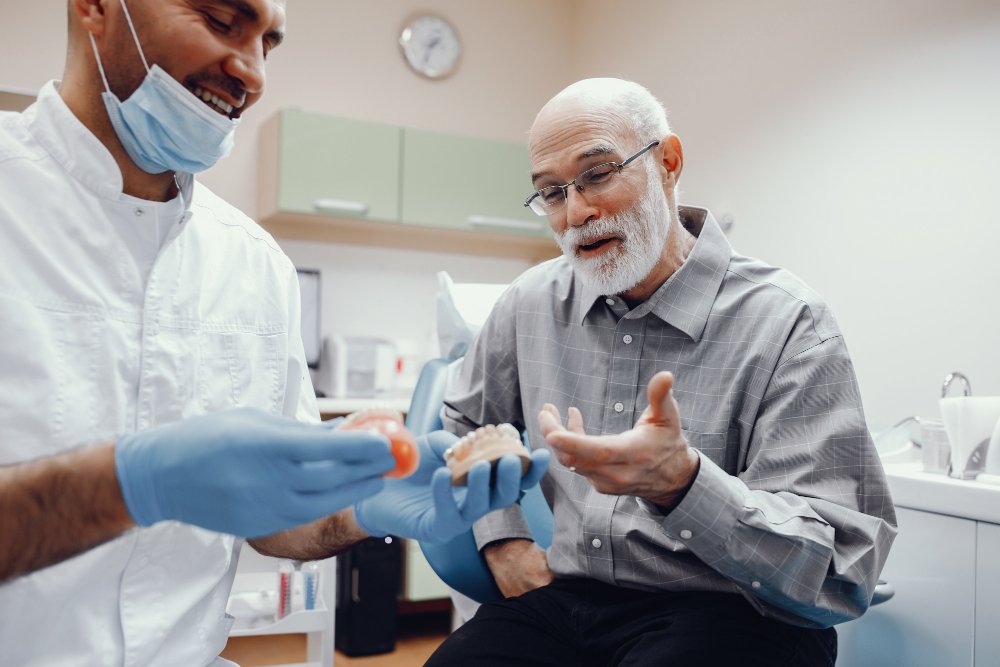
Introduction to Fixed Partial Dentures (FPD)
Many people lose teeth due to injury, decay, or gum disease. Fixed partial dentures, also called dental bridges, can help fill these gaps. In this guide, you will learn what fixed partial dentures are, how they work, and what to expect from the FPD procedure. If you are thinking about dental bridge options, this guide is for you.
What is an FPD?
An FPD, or fixed partial denture, is a dental device that replaces missing teeth. Unlike removable dentures, an FPD stays in place. Dentists attach it to the teeth next to the gap. As a result, you get a natural look and better chewing ability. FPDs are also known as dental bridges because they bridge the space left by lost teeth.
Common Symptoms and Dental Issues Leading to FPD
People may need fixed partial dentures for several reasons. Some common signs and issues include:Missing one or more teethDifficulty chewing foodSpeech problems due to gapsShifting of nearby teethChanges in your bite or jaw pain
When you notice these symptoms, it is wise to visit a dentist. Early care can prevent more problems.
Causes and Risk Factors for Tooth Loss Requiring FPD
Tooth loss can happen for many reasons. The most common causes include:Tooth decay (cavities)Gum disease (periodontal disease)Injury or trauma to the mouthGenetic factorsPoor oral hygiene
Additionally, smoking and certain health conditions, like diabetes, can increase your risk. Regular dental check-ups help catch problems early.
Diagnosis: How Dentists Determine the Need for FPD
First, your dentist will examine your mouth. They may take X-rays to check the health of your teeth and gums. Next, they will look at the gap and the teeth on either side. If these teeth are strong, you may be a good candidate for an FPD. Sometimes, dentists use special tests to make sure your jawbone is healthy. After this, they will discuss the best dental bridge options for you.
Treatment Process: Steps Involved in Getting an FPD
Getting fixed partial dentures usually involves several steps:First, the dentist prepares the teeth next to the gap.Then, they take impressions (molds) of your mouth.Next, a dental lab makes your custom FPD.Meanwhile, you may get a temporary bridge.Finally, the dentist fits and cements the FPD in place.
The whole FPD procedure may take a few weeks. Your dentist will guide you through each step.
Benefits and Potential Risks of FPD
Fixed partial dentures offer many benefits:Restore your smile and confidenceImprove chewing and speechPrevent nearby teeth from shiftingLook and feel natural
However, there are some risks to consider:Possible tooth sensitivityRisk of decay under the bridgeGum irritation if not cleaned wellRarely, the bridge may become loose
With good care, most people enjoy their FPD for many years.
Care and Maintenance Tips for FPD
Proper care helps your fixed partial dentures last longer. Here are some tips:Brush twice a day with a soft toothbrushUse floss or special cleaning aids under the bridgeVisit your dentist for regular check-upsAvoid very hard or sticky foodsFollow your dentist’s advice for cleaning
Good oral hygiene keeps your FPD and natural teeth healthy.
Prevention: How to Avoid Tooth Loss and Need for FPD
While FPD dental treatment is helpful, it is best to prevent tooth loss. You can lower your risk by:Brushing and flossing dailyEating a balanced dietLimiting sugary snacks and drinksWearing a mouthguard during sportsNot smoking or using tobaccoSeeing your dentist twice a year
Prevention is always better than cure. Healthy habits protect your teeth for life.
Frequently Asked Questions About FPD
How long do fixed partial dentures last? With good care, they can last 5–15 years or more.Is the FPD procedure painful? Dentists use local anesthesia, so you should not feel pain during the process.Can I eat normally with an FPD? Yes, but avoid very hard or sticky foods to protect your bridge.How do I clean under my dental bridge? Use floss threaders or special brushes as your dentist recommends.Are there other dental bridge options? Yes, your dentist can discuss which type suits you best.
Conclusion
Fixed partial dentures are a safe and effective way to replace missing teeth. They restore your smile and help you eat and speak with ease. If you think you may need an FPD, consult a dental specialist at SLN Smile Space Dental for personalized advice on fixed partial dentures. Your dentist can help you choose the best option for your needs.